
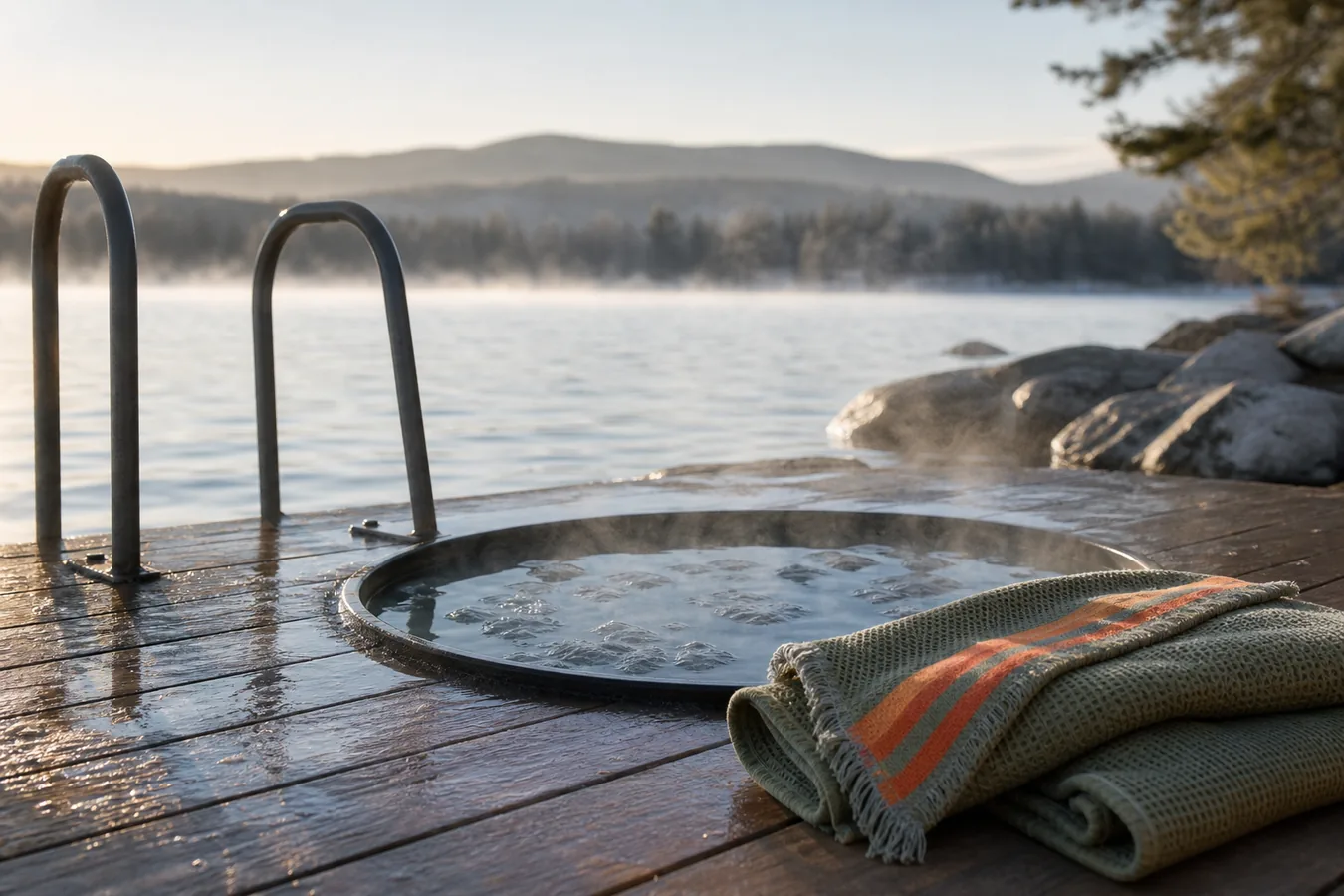
Cold Exposure for Recovery: What Actually Helps
Cold plunges, showers, and ice baths for recovery — what the evidence supports, timing mistakes, and a simple protocol to test safely.
Cold exposure is one of the loudest biohacks online. Used well, it can sharpen alertness and help some people feel recovered. Used as a daily punishment ritual, it mostly burns willpower.
What cold may do
Brief cold can:
- raise alertness (sympathetic spike, then rebound)
- reduce perceived muscle soreness for some athletes
- help with heat stress after long efforts
It is not a cure for overtraining, poor sleep, or under-eating.
A conservative starter protocol
- End a normal shower with 30–60 seconds of cold water.
- Breathe slowly through the nose; do not hyperventilate.
- Do this 3–4 mornings per week for two weeks.
- Log mood, sleep, and workout quality — not just “toughness.”
Only then consider longer immersions (2–5 minutes) if you tolerate it and have no contraindications.
Timing mistakes
- Right after every hypertrophy session: may blunt some adaptation signals; delay if muscle growth is priority #1.
- Late at night when you already struggle to unwind: cold can feel activating for some people.
- Stacking with sleep debt: cold does not replace sleep.
Safety first
Skip or get medical clearance if you have cardiovascular disease, uncontrolled hypertension, Raynaud’s, or are pregnant. Never plunge alone in deep water. Exit if you feel chest pain, dizziness, or numbness that feels wrong.
Bottom line
Treat cold as a recovery tool with a log, not an identity. Short, repeatable, and honest beats extreme.
Health disclaimer: He4lsy content is educational and not medical advice. Consult a qualified professional for personal decisions.
Related articles

10 Techniques to Quit Smoking (That Beat Willpower Alone)
Ten practical techniques to quit smoking — triggers, craving drills, sleep, identity lines, and a relapse plan. Plus a member Quit protocol if you want the full 14-day sequence.
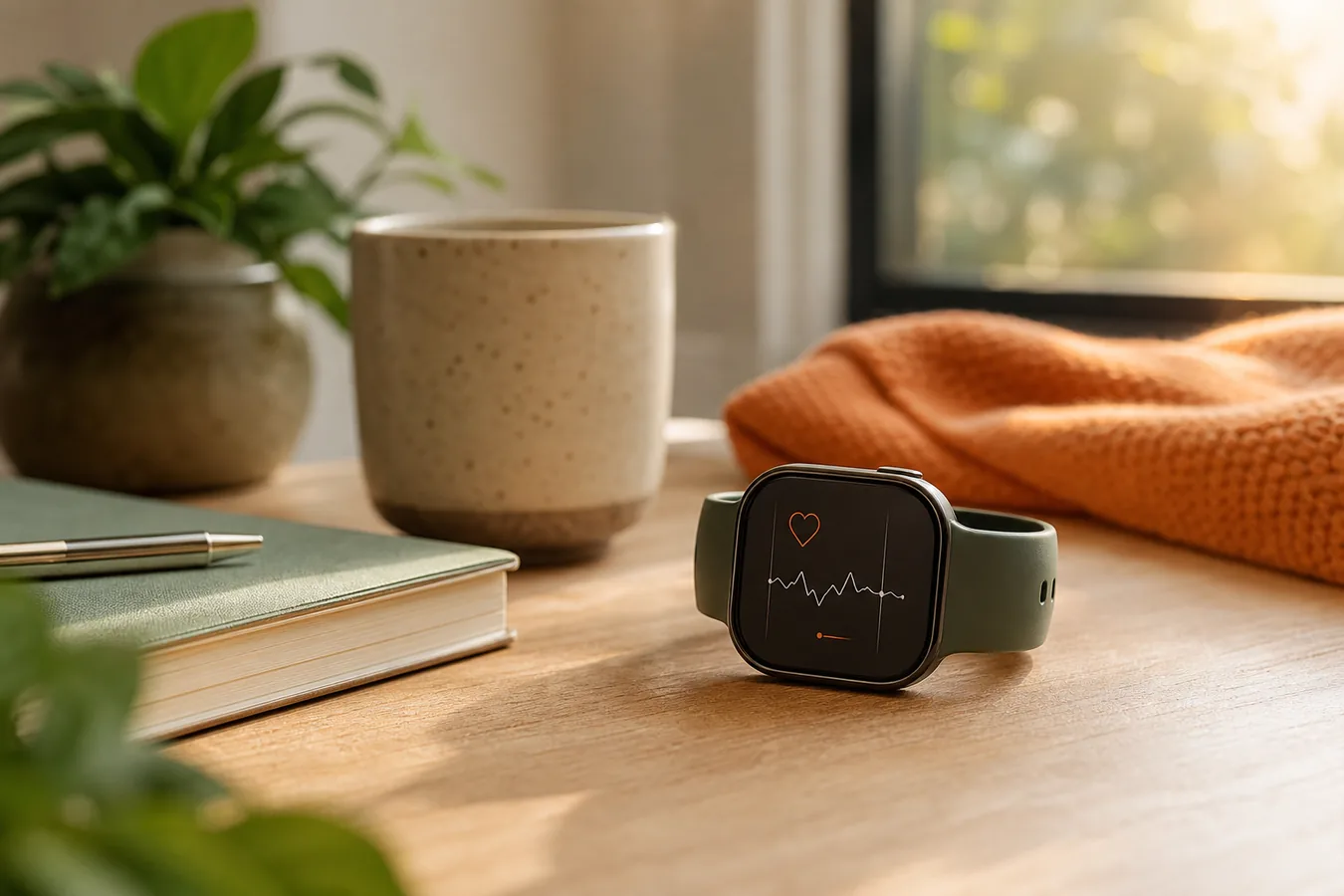
HRV Biofeedback for Recovery: A Practical Guide
How heart-rate variability (HRV) and simple biofeedback help you decide when to push or rest — without obsessing over every morning score.
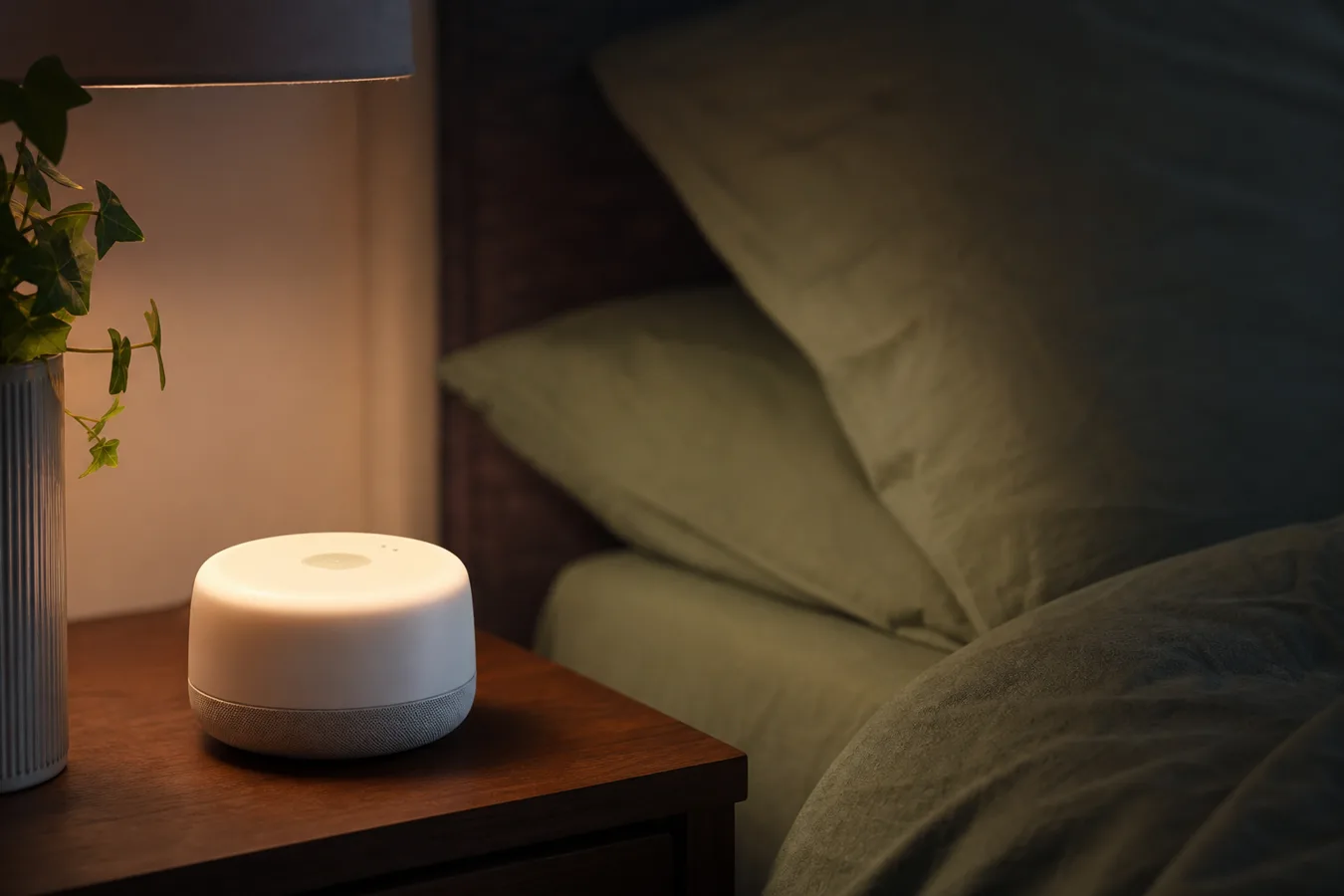
White Noise vs Pink Noise for Sleep
White noise vs pink noise for sleep: what differs, who each may suit, and how to test volume and timing without wrecking your nights.