
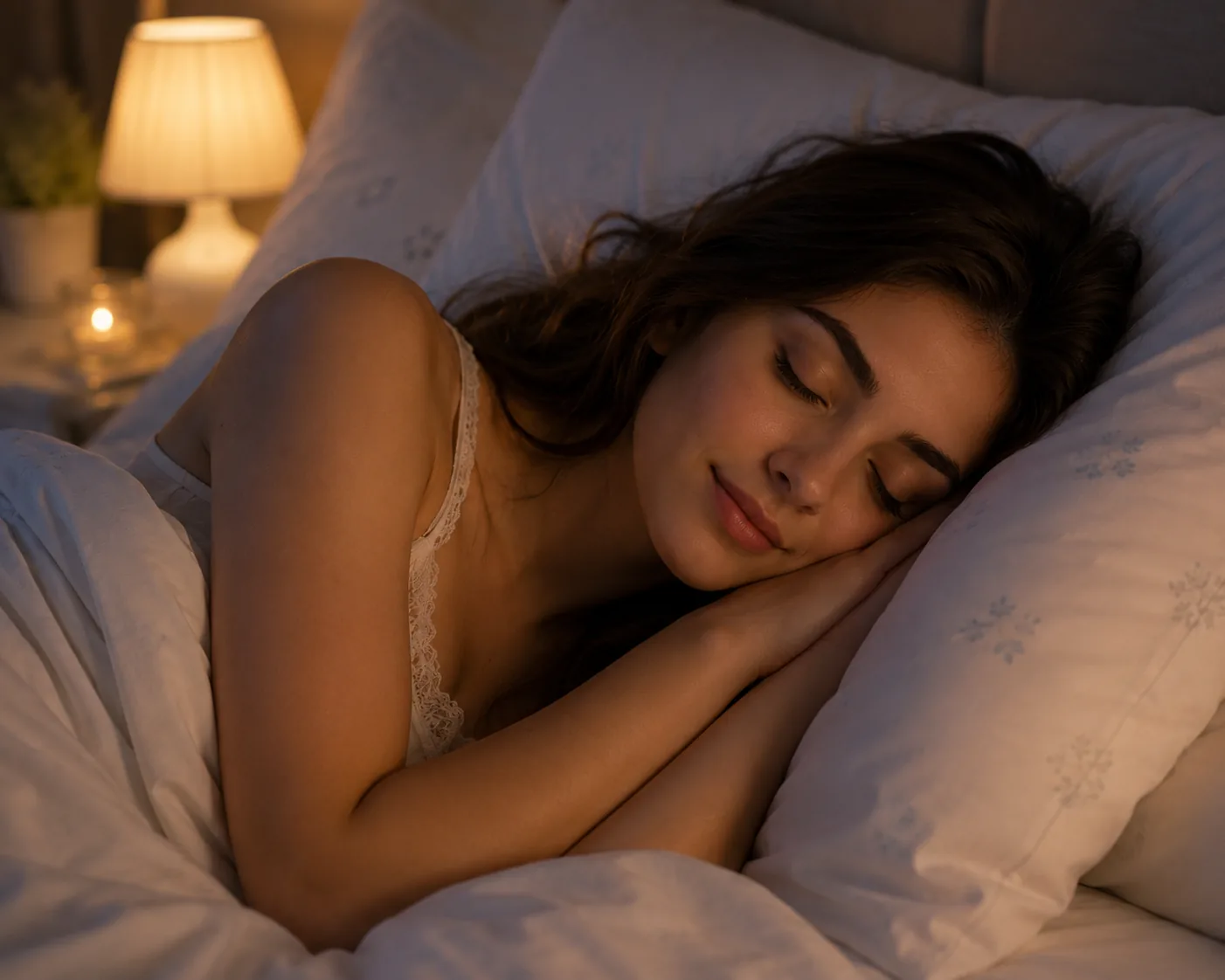
Morning Light for Better Sleep: A 10-Minute Fix
Why morning outdoor light helps circadian timing, how to do a simple 10-minute protocol, and what to expect in the first two weeks.
If you only change one sleep habit this month, make it morning light. It costs nothing, compounds with every other recovery tool, and directly feeds your circadian clock.
Why morning light matters
Your brain uses early light as a timestamp. Bright light soon after waking helps advance melatonin timing later at night. Dim mornings and bright late screens do the opposite.
Indoor lighting is often too weak to send a strong signal. Outdoor light — even under clouds — is orders of magnitude brighter.
A simple 10-minute protocol
- Within an hour of waking, step outside.
- Keep eyes open toward the sky (never stare at the sun).
- Stay out 7–10 minutes on bright days; closer to 15–20 when overcast.
- Pair it with a short walk if that helps consistency.
Coffee can wait until after the light dose if you want a cleaner experiment.
What people usually notice
In 1–2 weeks of consistency:
- easier morning alertness
- sleepiness that arrives closer to a target bedtime
- less “second wind” late at night (for some)
It will not fix sleep apnea, severe insomnia, or shift-work chaos alone.
Optional tools (not required)
If you live at high latitude in winter, a sunrise lamp can bridge dark mornings. Treat it as a support, not a substitute for real daylight when available.
Bottom line
Morning light is the highest-leverage free lever in sleep hygiene. Do it daily before optimizing gadgets or supplements.
Health disclaimer: He4lsy content is educational and not medical advice. Consult a qualified professional for personal decisions.
Related articles

Ashwagandha KSM-66: Dose, Cortisol & Sleep
The main benefits of KSM-66 ashwagandha for stress, cortisol, sleep, and steady energy — plus a simple 600 mg protocol.
Ashwagandha Morning vs Evening: When to Take It
Should you take ashwagandha in the morning or evening? How KSM-66 timing fits stress, sleep, and a rhodiola morning stack.
Best Caffeine-Free Coffee Alternatives for Sleep
Chicory, barley, cacao, and other caffeine-free coffee swaps that keep the ritual without taxing deep sleep.