
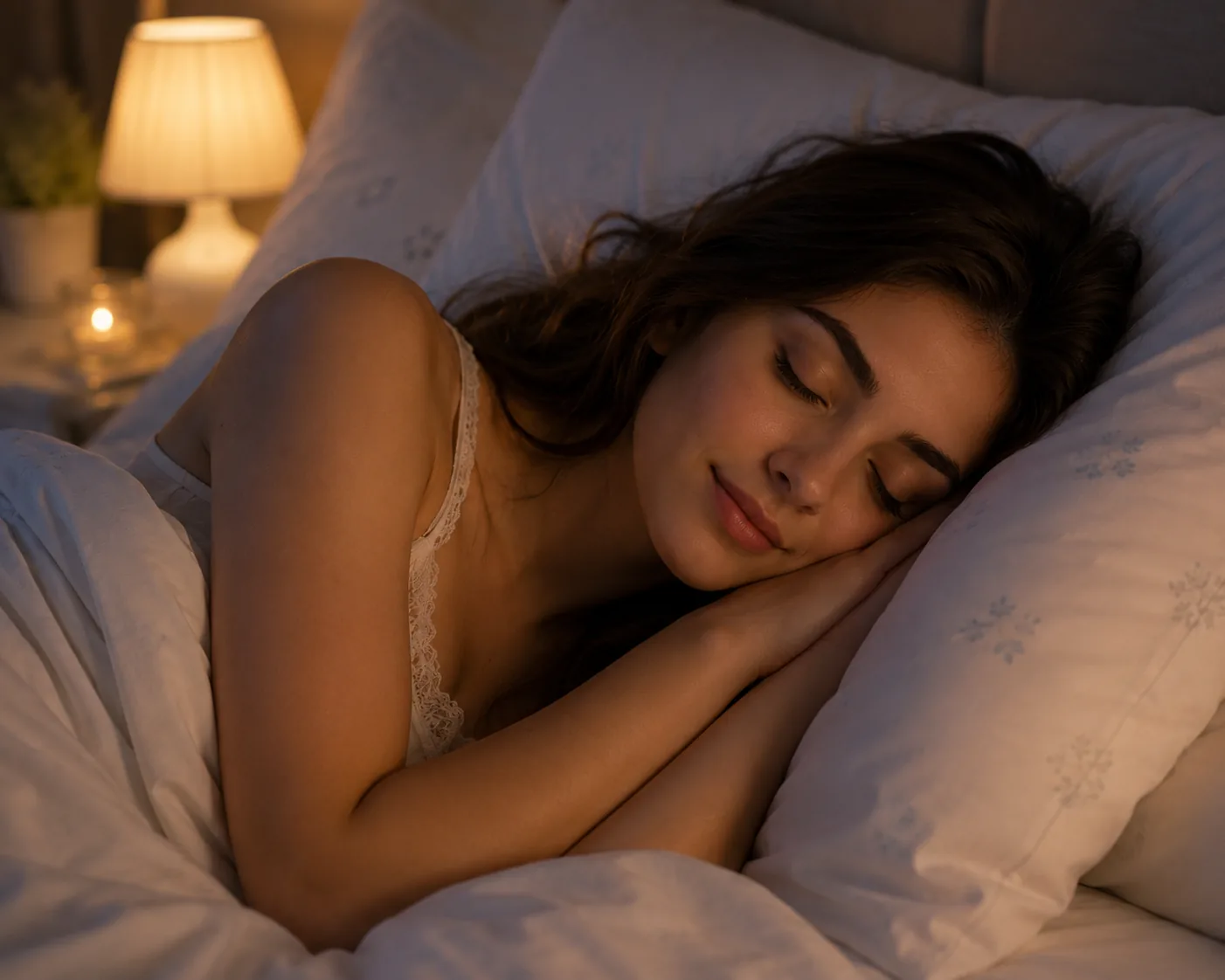
Best Sunrise Alarm Clocks for Easier Mornings
What to look for in a sunrise alarm clock—light intensity, colors, sounds, backup alarm—and Amazon options to compare for gentler wake-ups.
Harsh phone alarms yank you out of sleep. A sunrise alarm clock fades light up before the beep, which many people find less jarring—especially in winter dark.
What it does (and does not do)
Does: cue a gentler wake, reduce snooze chaos for some users, double as a warm evening lamp.
Does not: replace morning outdoor light, fix sleep debt, or act as a medical light-therapy box unless specifically designed and prescribed for that use.
Features worth paying for
- Sunrise duration — 15–30 minutes is the useful range; adjustable is better.
- Peak brightness — must actually light the room; dim “mood lamps” disappoint.
- Backup sound — light alone fails for deep sleepers; keep a sound failsafe.
- Sunset / wind-down mode — nice if you want one bedside device.
- Simple controls — you will set this half-asleep.
- FM / nature sounds — optional; do not overpay for audio libraries.
Three styles to compare
Classic wake-up light
Round face, warm amber-to-white ramp, built-in beeps. Best default for most adults.
Smart / app-connected
Schedules, routines, sometimes soundscapes. More failure points (Wi‑Fi, updates). Buy only if you will use the app weekly.
Compact / travel
Lower brightness, smaller footprint. Fine as a secondary device; weak as your only winter wake aid.
Buying filter for Amazon
- Sort by recent reviews mentioning “bright enough”, “gradual”, and “app bugs.”
- Prefer models with a clear return window.
- Be skeptical of SAD-therapy claims on generic bedside lamps.
- If you share a room, check whether the light bothers a partner who wakes later.
How to use it well
- Set sunrise to finish at your target wake time.
- Keep phone alarm as backup for week one.
- Get outdoor light within ~30–60 minutes of waking when possible.
- Dim evenings: avoid blasting the lamp as a late bright screen substitute.
Pair with the habits in our morning light guide for the full circadian stack.
Bottom line
Choose a bright, simple sunrise alarm with a sound backup. Treat it as a kinder wake tool—not a cure for short sleep.
Health disclaimer: He4lsy content is educational and not medical advice. Consult a qualified professional for personal decisions.
Related articles
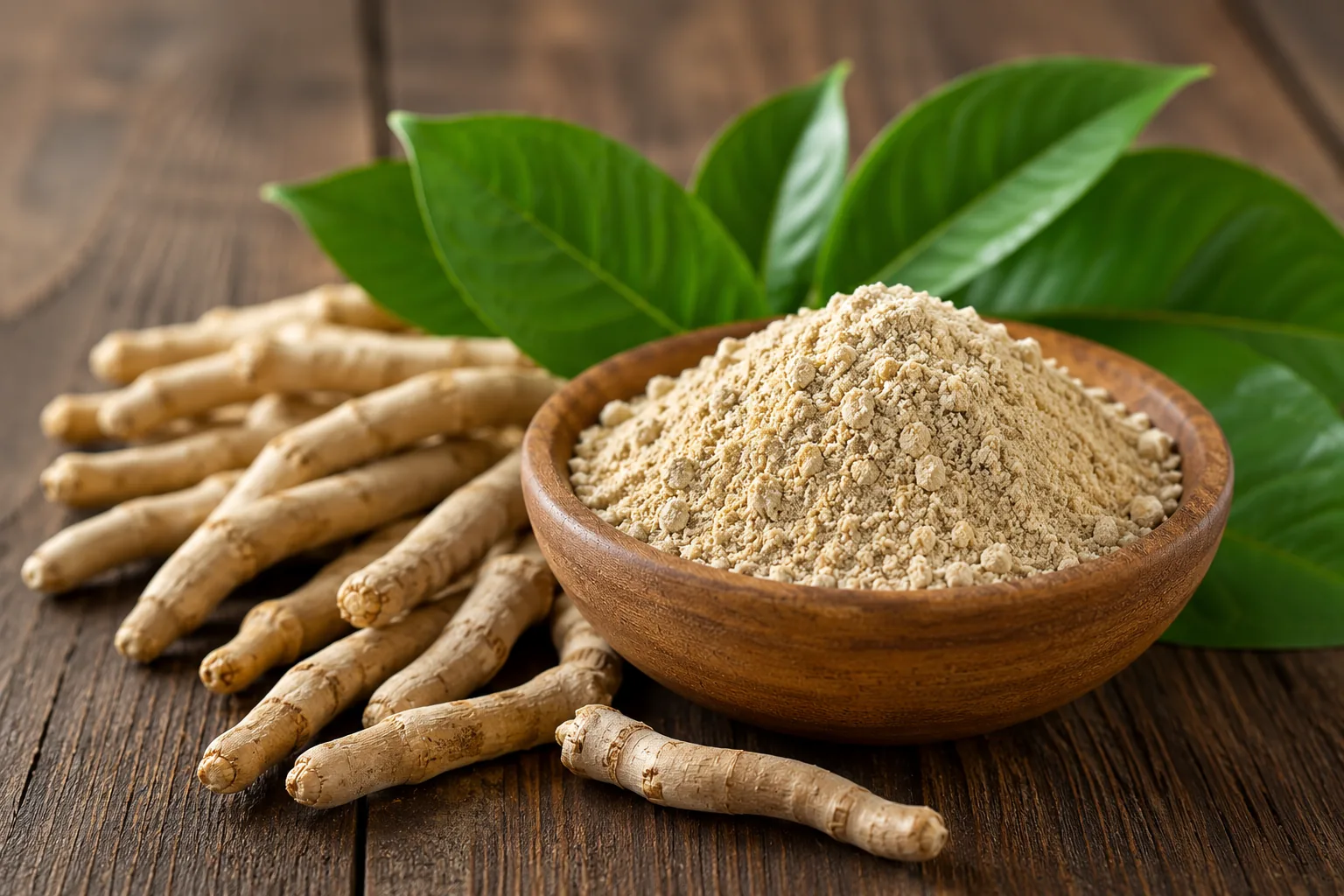
Ashwagandha KSM-66: Dose, Cortisol & Sleep
The main benefits of KSM-66 ashwagandha for stress, cortisol, sleep, and steady energy — plus a simple 600 mg protocol.
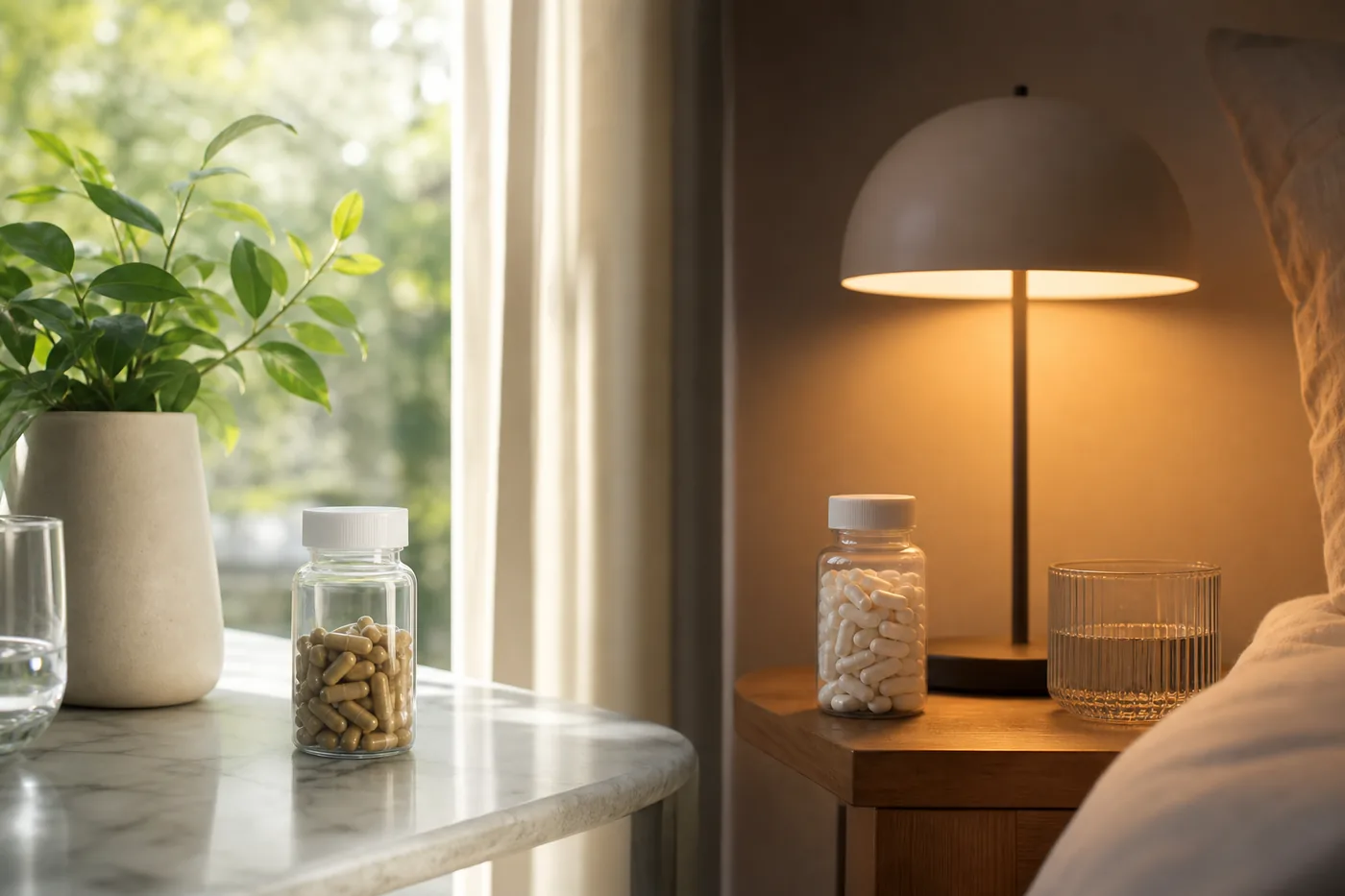
Ashwagandha Morning vs Evening: When to Take It
Should you take ashwagandha in the morning or evening? How KSM-66 timing fits stress, sleep, and a rhodiola morning stack.
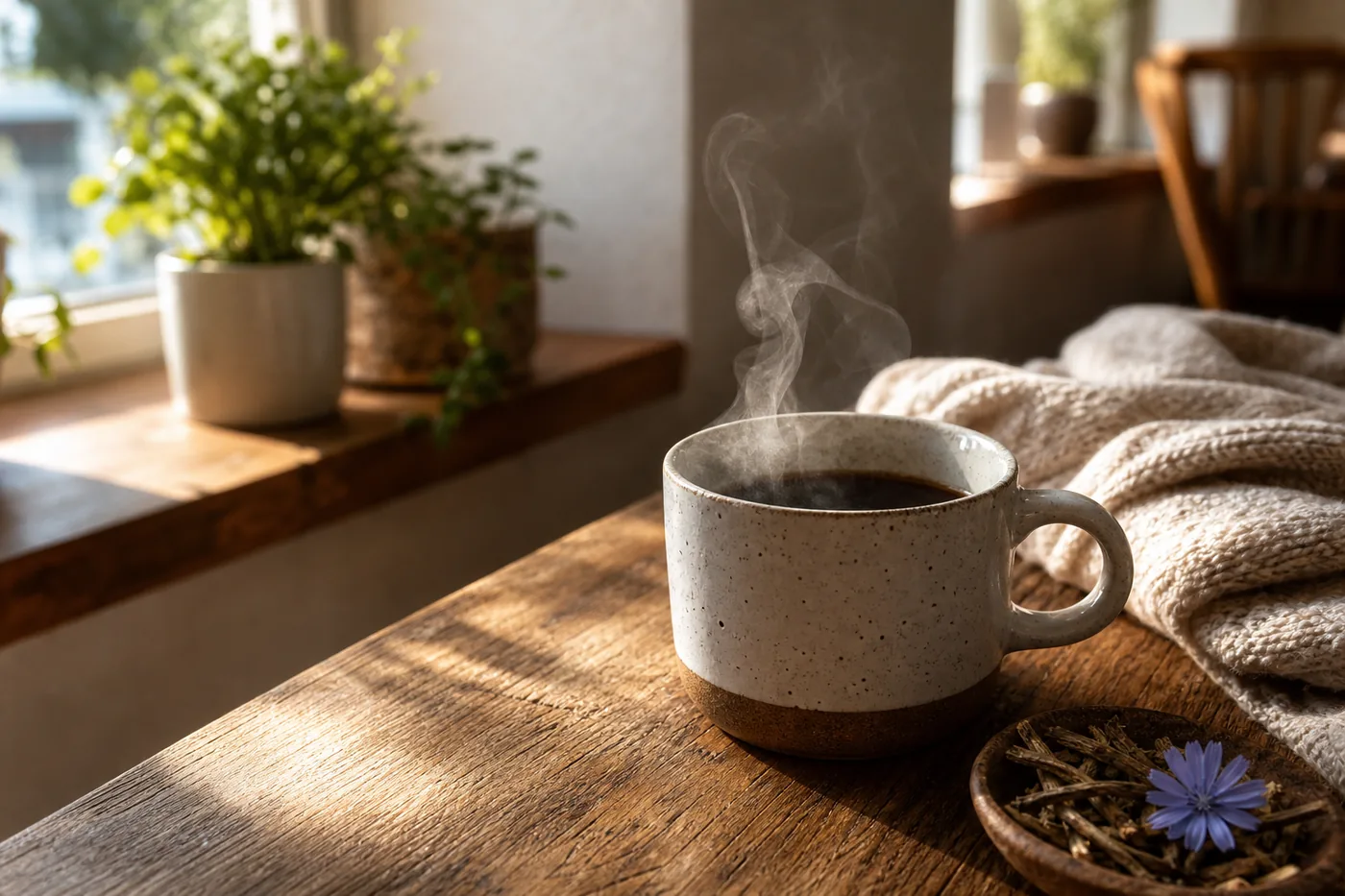
Best Caffeine-Free Coffee Alternatives for Sleep
Chicory, barley, cacao, and other caffeine-free coffee swaps that keep the ritual without taxing deep sleep.