
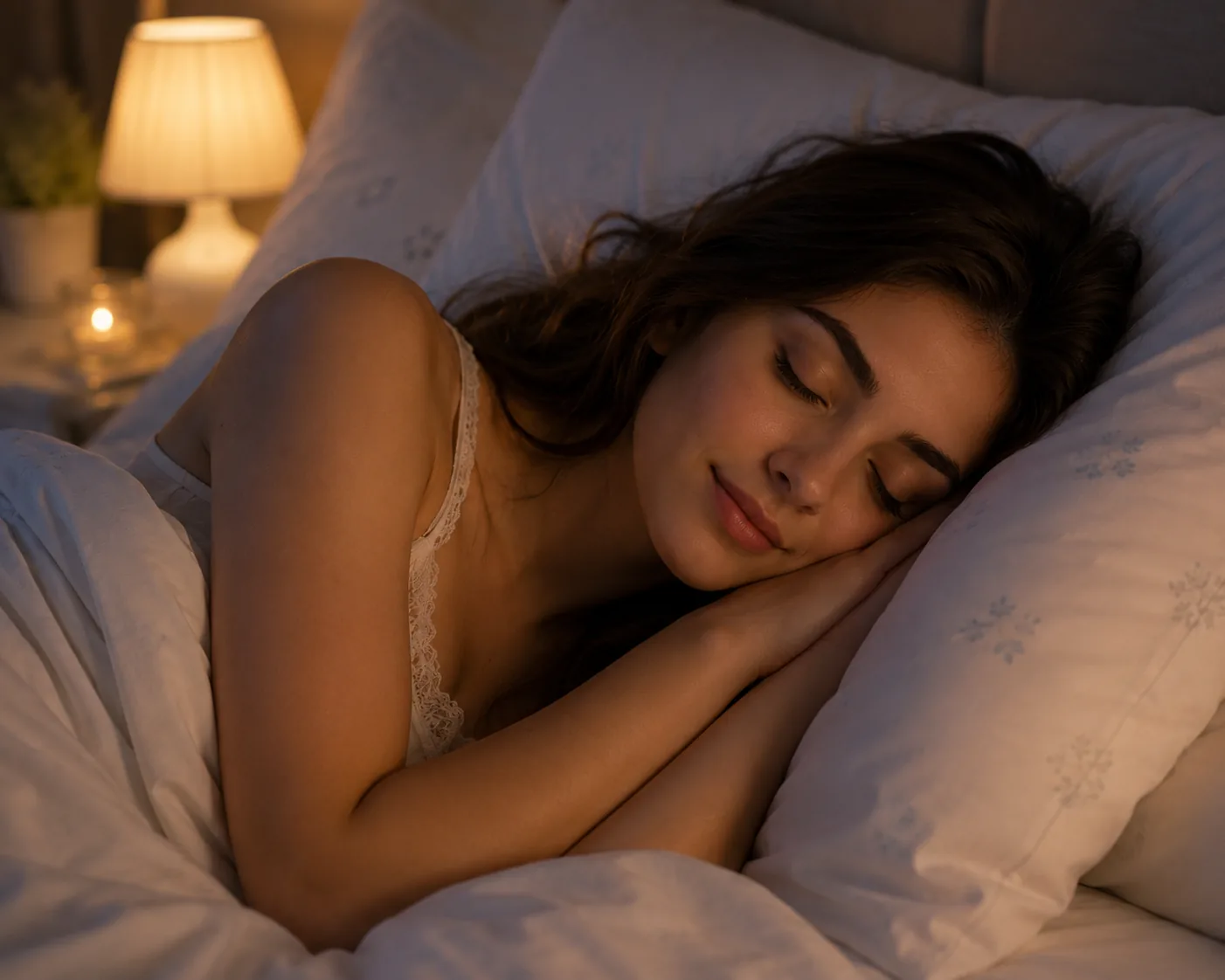
Red Light Therapy for Sleep: Hype vs Useful Experiments
Does red light therapy help sleep and circadian timing? What to expect from panels and bulbs, how to test them, and what still matters more.
Red light therapy sits at the intersection of recovery clinics and bedroom aesthetics. Some people swear by panels; others bought a $400 glow and still doom-scroll at 1 a.m.
Two different “red light” ideas
- Photobiomodulation devices (LEDs/panels at specific red/NIR wavelengths) marketed for skin, joints, or recovery.
- Dim red/amber evening lighting as a circadian hygiene hack — less alerting than bright cool-white LEDs.
For sleep, the second idea is often the more practical win. Panel claims for deeper sleep are mixed and device-dependent.
What usually moves the needle more
Before buying hardware, lock these:
- morning outdoor light within an hour of waking
- caffeine cutoff mid-afternoon (or earlier if sensitive)
- screens dimmed and distant in the last hour
- a cool, dark bedroom
Red evening bulbs support that stack; they do not replace it.
A two-week experiment
Week A (control): same bedtime window, phones on night mode only.
Week B: swap bedroom overheads for dim red/amber lamps after sunset; keep brightness low enough to read comfortably.
Track: sleep latency, awakenings, and morning alertness. Change one variable.
If you already own a panel, avoid blasting high intensity right before bed if it feels stimulating — treat it like any other bright stimulus.
Buying without the hype
- Prefer clear wavelength specs over influencer codes.
- Eye safety: do not stare into high-power LEDs.
- Skip miracle “reverse aging while you sleep” claims.
Bottom line
Use red/amber light as evening environment design. Call it biohacking if you want — just keep the fundamentals louder than the gear.
Health disclaimer: He4lsy content is educational and not medical advice. Consult a qualified professional for personal decisions.
Related articles
Ashwagandha KSM-66: Dose, Cortisol & Sleep
The main benefits of KSM-66 ashwagandha for stress, cortisol, sleep, and steady energy — plus a simple 600 mg protocol.
Ashwagandha Morning vs Evening: When to Take It
Should you take ashwagandha in the morning or evening? How KSM-66 timing fits stress, sleep, and a rhodiola morning stack.
Best Caffeine-Free Coffee Alternatives for Sleep
Chicory, barley, cacao, and other caffeine-free coffee swaps that keep the ritual without taxing deep sleep.