

Magnesium Glycinate for Sleep: Dosage & Timing
What magnesium glycinate may do for sleep, how people typically time it, and how to test results without miracle claims.
Magnesium shows up in almost every “sleep stack” conversation. Magnesium glycinate is popular because it is usually gentler on the stomach than oxide — not because it is a guaranteed sedative.
What it may help with
Magnesium is involved in nervous-system regulation. Some people report slightly easier wind-down or fewer nighttime awakenings when their diet is low in magnesium. That is not the same as curing insomnia.
Look for studies that report:
- sleep latency (time to fall asleep)
- subjective sleep quality
- next-day alertness
Results are often modest.
Typical timing and dosing context
Labels vary. A common pattern is taking glycinate in the evening, 30–60 minutes before bed, with water. More is not always better; high doses can cause GI discomfort.
Practical rules:
- Read the elemental magnesium amount, not only the compound weight.
- Change one habit at a time (caffeine, light, dose).
- Keep a two-week log before deciding it “works.”
Pair it with fundamentals
Supplements underperform if sleep basics are chaotic. Prioritize:
- a consistent wake time
- morning outdoor light
- a caffeine cut-off 8+ hours before bed
- a dark, cool bedroom
Safety notes
Talk to a clinician if you have kidney disease, take medications, are pregnant, or manage complex conditions. Stop if you get unusual symptoms.
Bottom line
Magnesium glycinate is a low-drama experiment for some people — useful to test after fundamentals, not a replacement for clinical care.
Health disclaimer: He4lsy content is educational and not medical advice. Consult a qualified professional for personal decisions.
Related articles
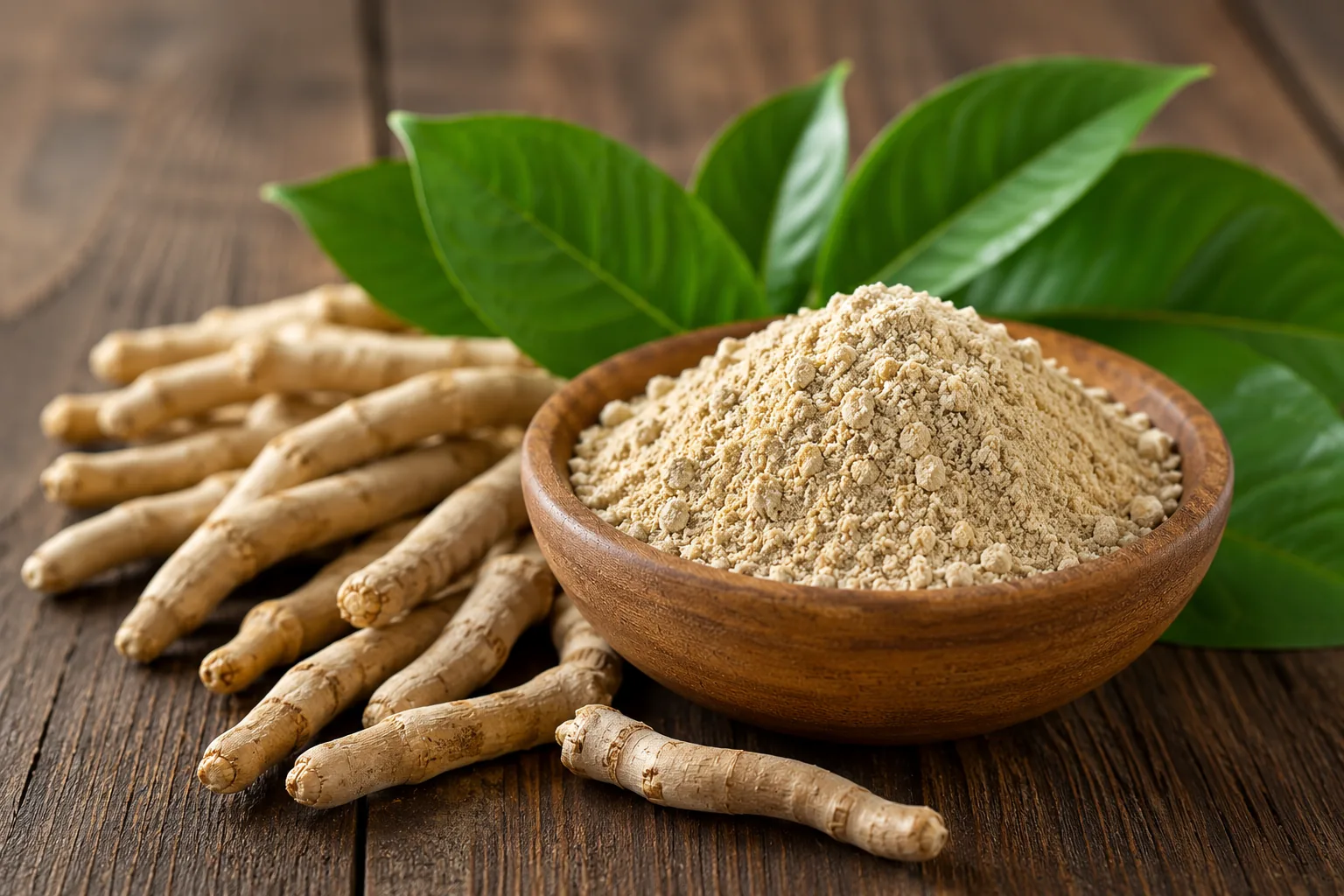
Ashwagandha KSM-66: Dose, Cortisol & Sleep
The main benefits of KSM-66 ashwagandha for stress, cortisol, sleep, and steady energy — plus a simple 600 mg protocol.
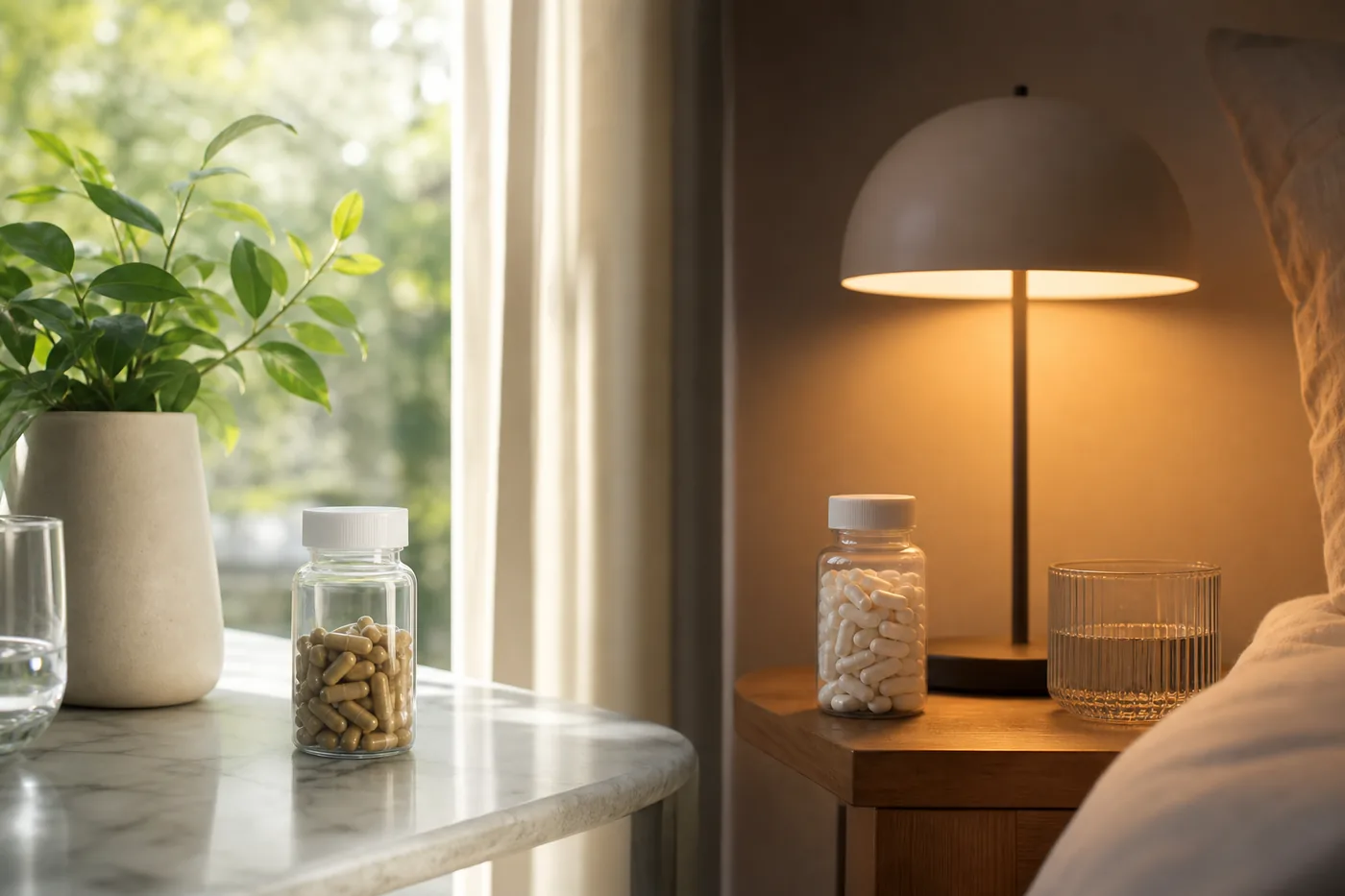
Ashwagandha Morning vs Evening: When to Take It
Should you take ashwagandha in the morning or evening? How KSM-66 timing fits stress, sleep, and a rhodiola morning stack.
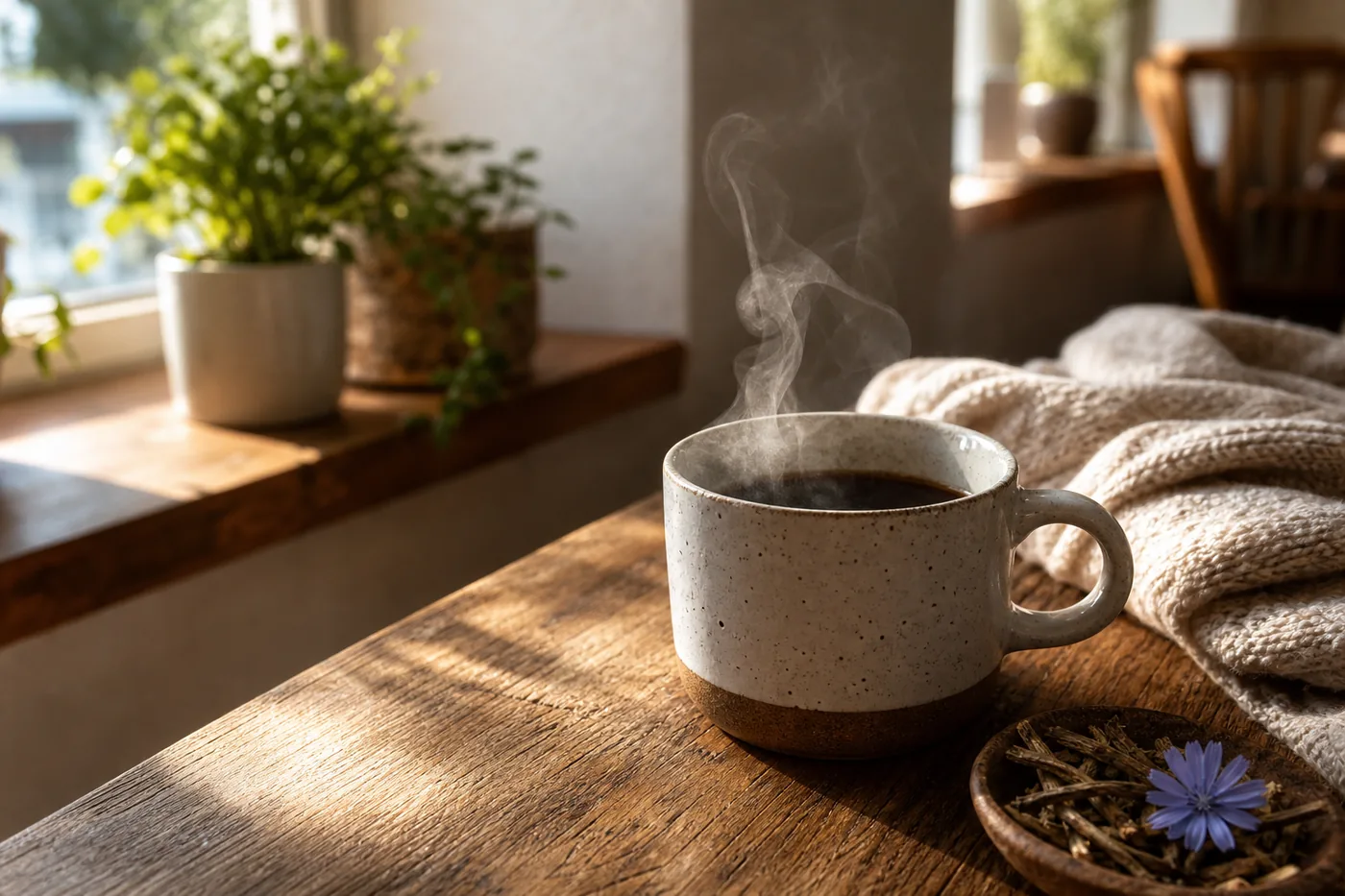
Best Caffeine-Free Coffee Alternatives for Sleep
Chicory, barley, cacao, and other caffeine-free coffee swaps that keep the ritual without taxing deep sleep.