
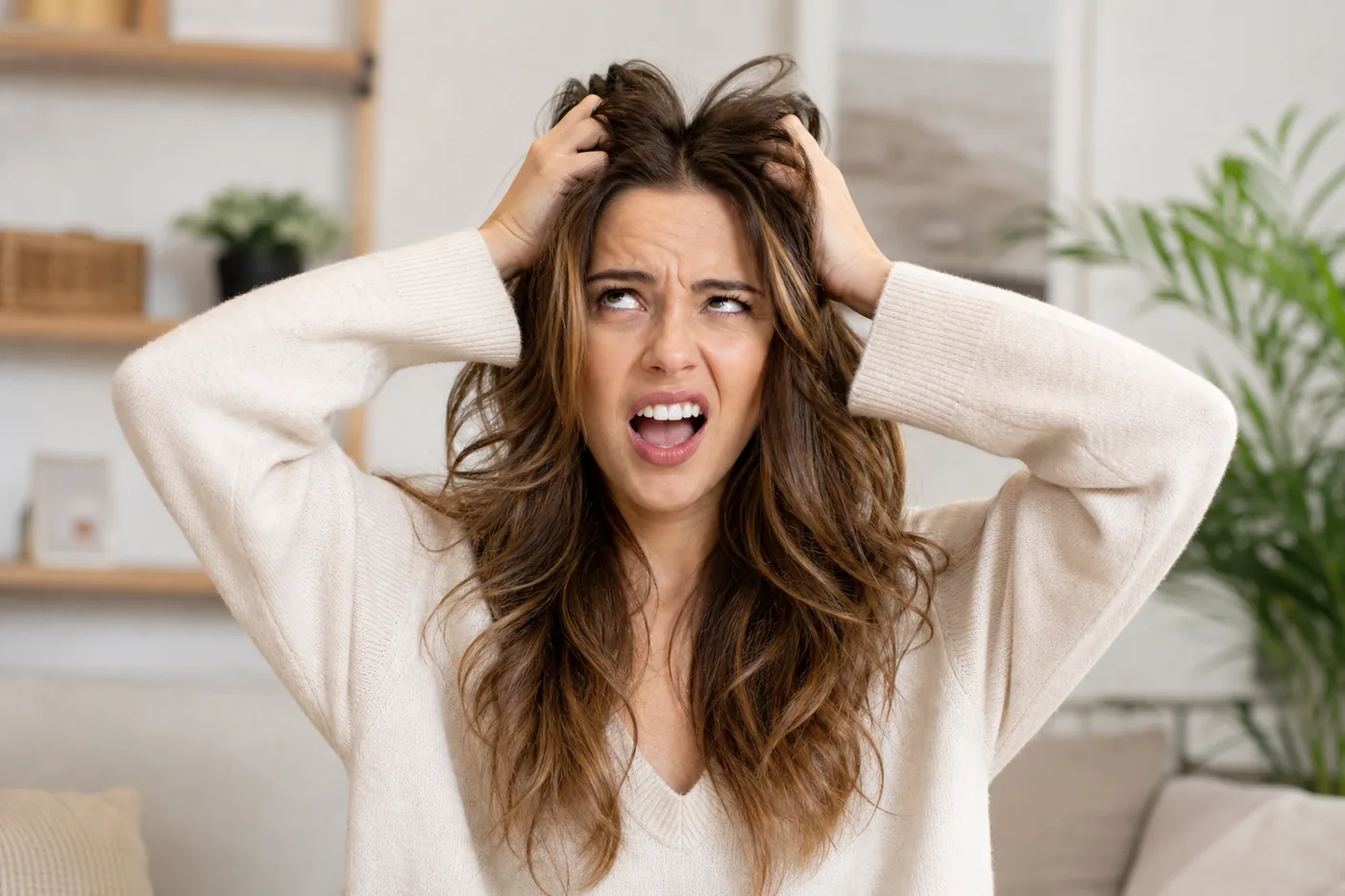
How to Reduce Your Stress and Cortisol
Practical ways to lower stress and rebalance cortisol — morning light, caffeine timing, plus rhodiola (morning) and ashwagandha KSM-66 (evening).
Cortisol is not the villain. You need a sharp morning rise to wake up and a gradual decline so sleep can land. Trouble starts when the curve is flat, late, or stuck “tired but wired” at night.
This guide covers how that curve works — and the benefits of two studied adaptogens people use for stress load: rhodiola (Rhodiola rosea) first (morning), then ashwagandha (KSM-66) (evening).
Timing rule: rhodiola in the morning (wakes / daytime drive) · ashwagandha in the evening (relaxes / wind-down).
What a healthy cortisol day feels like
- Morning: alert enough to start (cortisol awakening response)
- Day: stress spikes are temporary, then settle
- Evening: mental volume drops; sleep onset is possible
When light, caffeine, and chronic pressure scramble the HPA axis, you get afternoon crashes, 3 a.m. wake-ups, and a brain that will not switch off.
Fix the free levers first
Before capsules:
- Morning outdoor light within an hour of waking
- Caffeine earlier, not sipped into late afternoon
- Stable wake time (±30 minutes)
- Real wind-down (dim light, phone away)
Then choose adaptogens with clear extracts — not mystery “adrenal blends.”
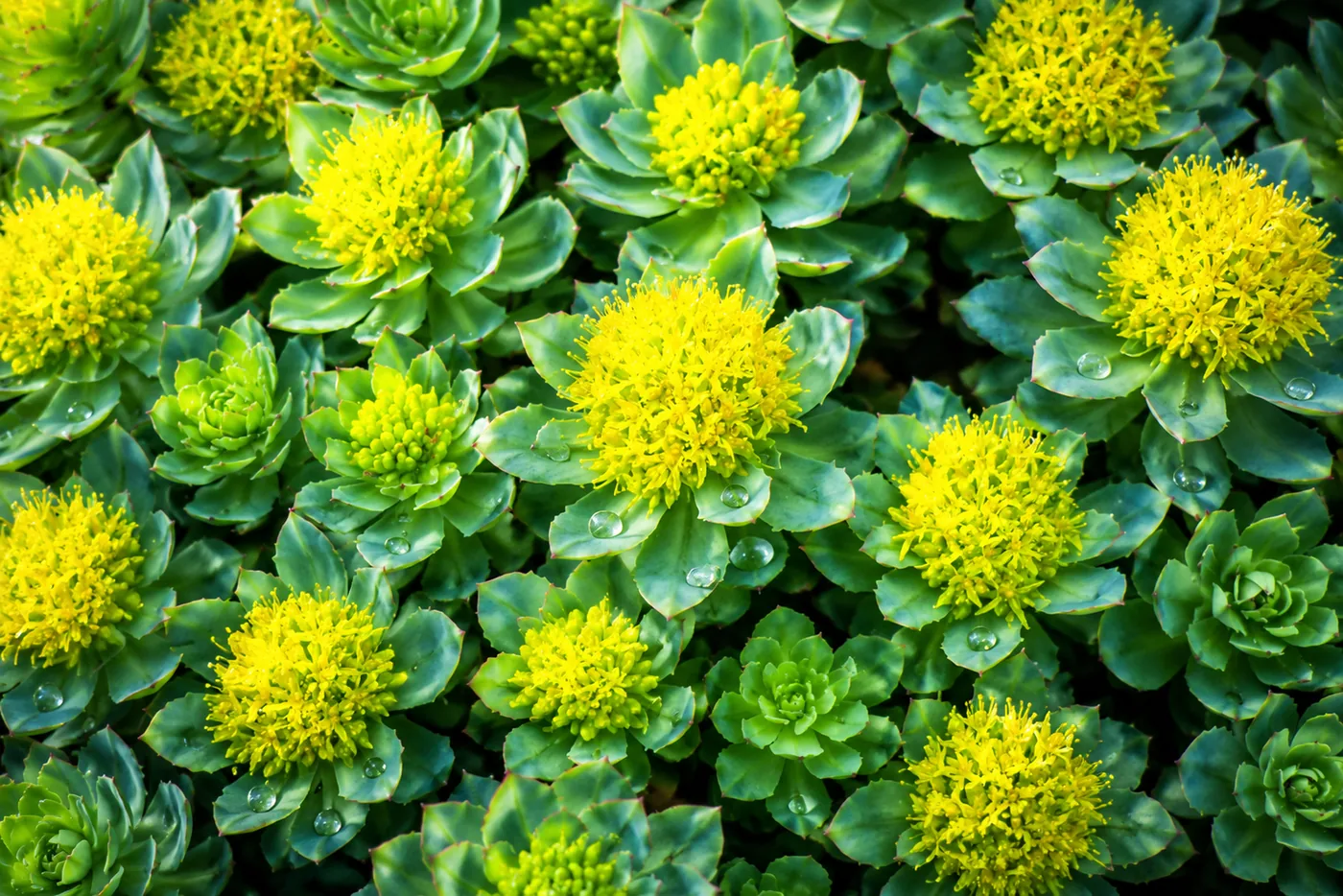
Rhodiola rosea — morning benefits (wakes you up)
Rhodiola (often misspelled “radiola”) is the morning adaptogen — it tends to wake you up and support daytime drive under stress. Look for extracts standardized in rosavins + salidroside (e.g. Rhodiolife-style specs).
Main benefits
- Less mental fatigue under pressure — work feels less draining
- Better stress resilience during demanding days (exams, deadlines, training)
- Clearer focus / motivation for some people when stress fog is the problem
- Physical stamina support in fatigue-under-stress contexts (study-dependent)
- Mood steadiness during high-load periods — without stimulant crash
When to take it: morning (with breakfast). Do not take it in the evening — it can feel activating and fight sleep.
Deep dive: Rhodiola benefits guide · product: Get Rhodiola
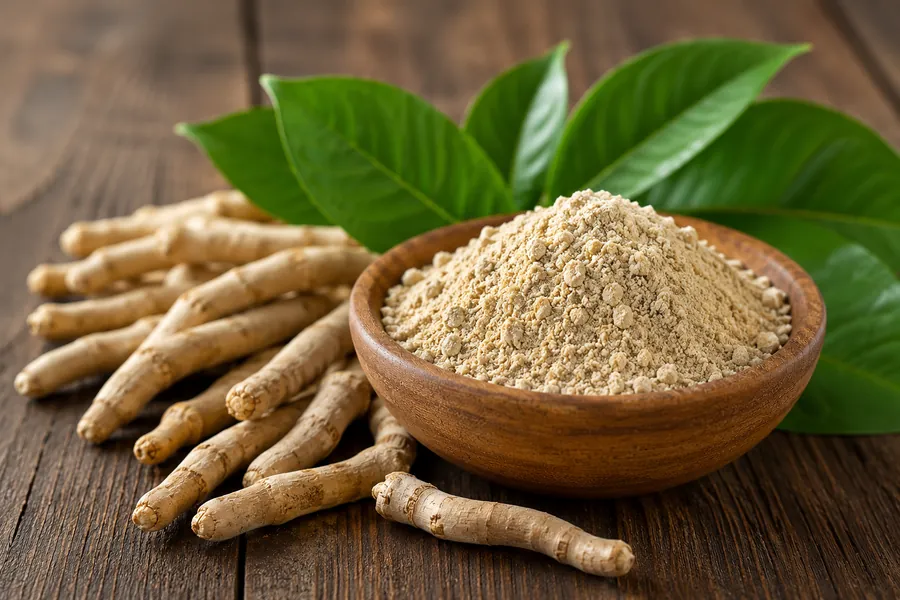
Ashwagandha KSM-66 — evening benefits (relaxes)
KSM-66 is a full-spectrum root extract used in many stress trials. Typical study window: 300–600 mg/day for 6–8 weeks.
Main benefits
- Lower perceived stress — days feel less sharp-edged
- Healthier morning cortisol patterns in some trials (~20–30% vs placebo in selected studies; not universal)
- Better sleep quality when stress is the blocker — less racing mind, not a knockdown sedative
- Steadier energy as stress + sleep feed each other less
- Easier recovery under load (work blocks, hard weeks)
When to take it: evening — ashwagandha relaxes and supports wind-down / sleep onset. Do not pair it with rhodiola at the same time of day.
Deep dive: Ashwagandha KSM-66 guide · product: Get KSM-66
How they complement each other
Rhodiola wakes; ashwagandha relaxes. That is why timing matters.
| Rhodiola | Ashwagandha KSM-66 | |
|---|---|---|
| Feel | Alert, resilient days | Calmer evenings, softer mind |
| Best window | Morning | Evening |
| Role | Daytime drive under stress | Wind-down + sleep when stress is loud |
| Cortisol angle | Fatigue under stress + mental performance | Stress scores + evening calm |
Simple daily stack: rhodiola with breakfast → ashwagandha in the evening. Run one solo for 2 weeks before combining if you want to see which lever moved the needle.
A practical 4-week cortisol protocol
Week 1–2
- Light + caffeine timing locked
- Pick either morning rhodiola (label dose) or evening KSM-66 600 mg
- Log: morning alertness, evening calm (1–10), sleep quality
Week 3–4
- Keep the winner, then add the second in its slot: rhodiola morning + ashwagandha evening
- Re-check the same scores
Product links:
- Rhodiola rosea (morning)
- Ashwagandha KSM-66 (evening)
Safety notes
Talk to a clinician if you are pregnant, bipolar, on SSRIs/thyroid meds, or have complex endocrine issues. Stop either herb if mood, sleep, or heart rhythm feel worse. These are educational tools — not a diagnosis of “adrenal fatigue.”
Bottom line
Cortisol needs a morning peak and an evening fade. Light and caffeine build that curve. Pair adaptogens the same way: rhodiola in the morning (wakes / daytime drive) and ashwagandha in the evening (relaxes / sleep). Use standardized extracts, give them weeks, and keep fundamentals louder than the bottle.
Health disclaimer: He4lsy content is educational and not medical advice. Consult a qualified professional for personal decisions.
Related articles
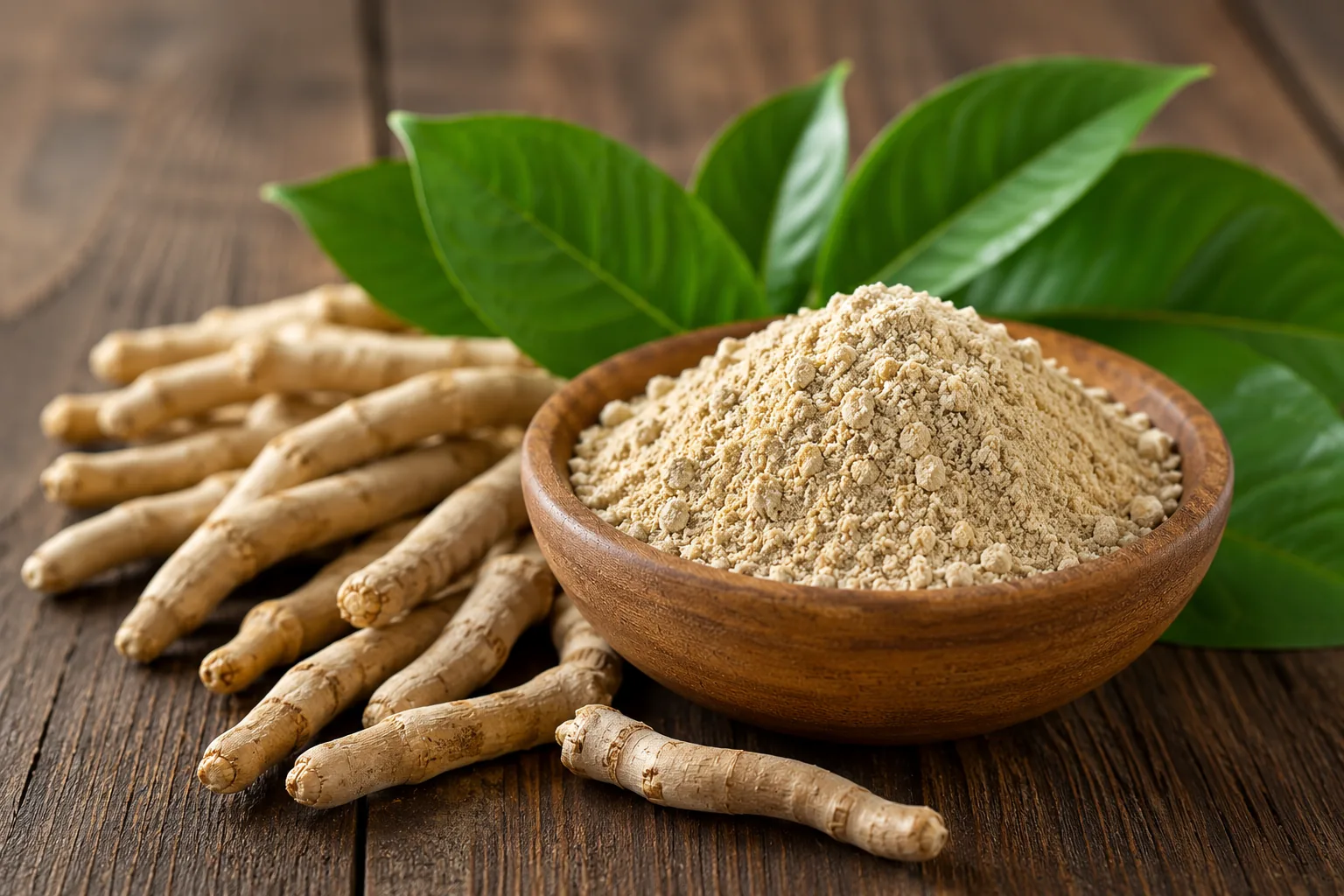
Ashwagandha KSM-66: Dose, Cortisol & Sleep
The main benefits of KSM-66 ashwagandha for stress, cortisol, sleep, and steady energy — plus a simple 600 mg protocol.
Ashwagandha Morning vs Evening: When to Take It
Should you take ashwagandha in the morning or evening? How KSM-66 timing fits stress, sleep, and a rhodiola morning stack.
Best Caffeine-Free Coffee Alternatives for Sleep
Chicory, barley, cacao, and other caffeine-free coffee swaps that keep the ritual without taxing deep sleep.