
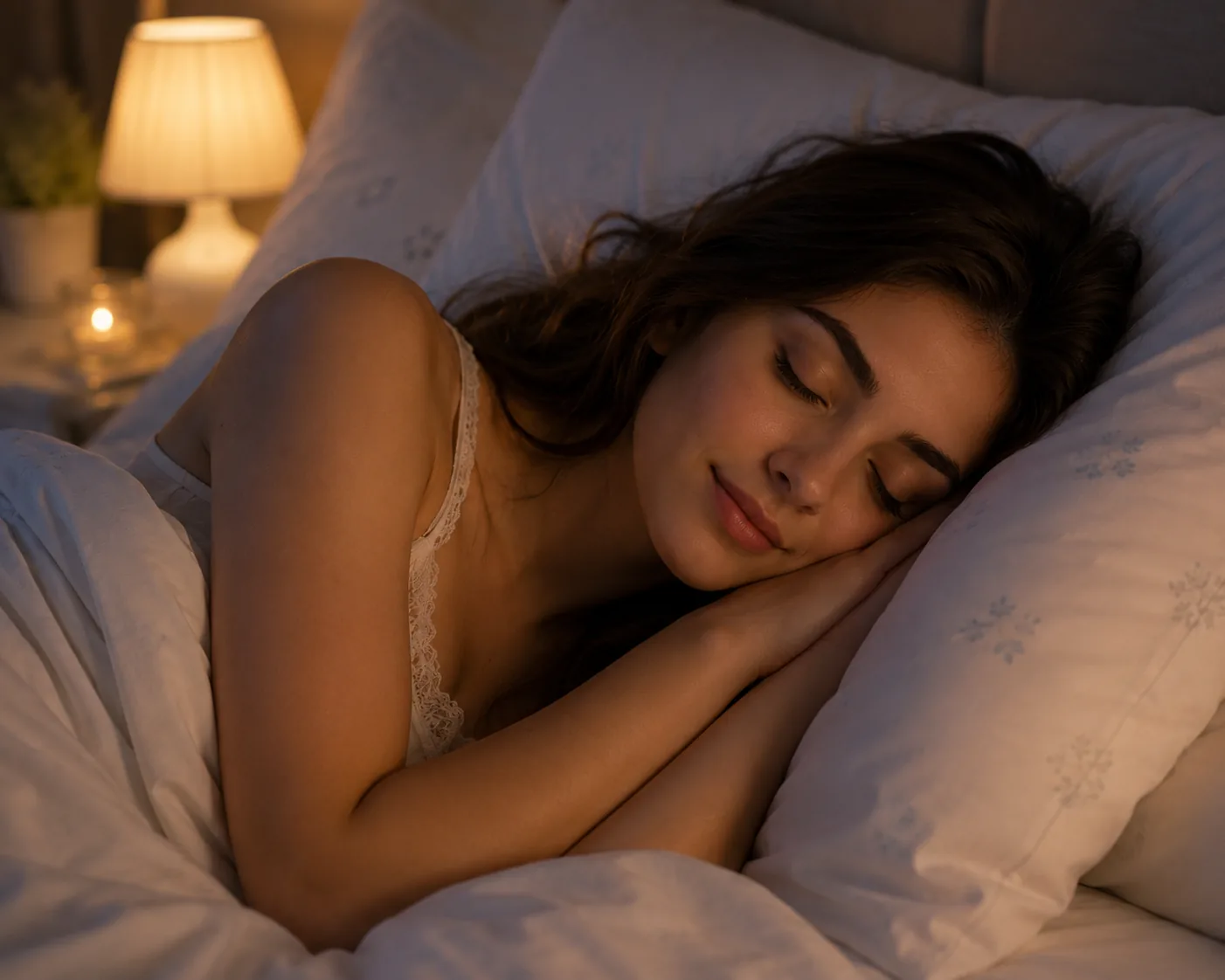
Cooling Mattress Pads for Hot Sleepers
How bedding temperature affects sleep continuity, what to check before buying a cooling pad, and Amazon options worth comparing.
If you wake sweaty, kick off covers, then freeze at 3 a.m., bedding temperature is often the missing lever—not another melatonin tweak.
Why heat fragments sleep
Core body temperature needs to drop for solid sleep onset. A mattress that traps heat keeps skin warm, raises micro-awakenings, and makes deep sleep harder to hold—especially in summer or for people who run hot.
Three product types (what you are actually buying)
1. Cooling mattress pads (passive)
Thin layers with gel, phase-change materials, or open-cell foams. They pull heat away briefly and feel cooler on contact. Best as a first purchase: lower cost, easy returns, no pumps.
Look for: machine-washable cover, depth that matches your mattress depth, reviews mentioning “still cool after 2 hours” (not only “cool at first touch”).
2. Gel / bamboo toppers
Thicker comfort layers. More plush than a pad; can also trap heat if the foam is dense. Good if you want both cushion and a cooler surface feel.
Look for: open-cell or latex-like foams, moisture-wicking cover, clear density specs.
3. Active bed cooling systems
Water or air units under the sheet that hold a set temperature all night. Highest price, highest control. Worth it when menopause, medication, or climate make passive pads fail.
Look for: noise level of the hub, dual-zone if you share a bed, warranty and leak policies.
Buying checklist
- Shared bed? Prefer dual-zone active systems or two twin pads.
- Noise sensitivity? Active hubs vary—read recent noise complaints.
- Mattress type? Memory foam runs hotter; cooling layers help more there.
- Care: Washable covers beat “spot clean only” for sweaty sleepers.
- Return window: Keep packaging until you test 7–14 hot nights.
How to test for two weeks
Keep bedtime, caffeine, and room fan settings steady. Add one cooling layer. Log awakenings and “too hot / too cold” ratings. If nights improve but you still spike at 2 a.m., try a lighter duvet next—not a second gadget immediately.
Bottom line
Start simple: a well-reviewed cooling pad or topper. Escalate to an active cooler only if heat still breaks sleep. Comfort beats marketing claims about “clinical cooling.”
Health disclaimer: He4lsy content is educational and not medical advice. Consult a qualified professional for personal decisions.
Related articles
Ashwagandha KSM-66: Dose, Cortisol & Sleep
The main benefits of KSM-66 ashwagandha for stress, cortisol, sleep, and steady energy — plus a simple 600 mg protocol.
Ashwagandha Morning vs Evening: When to Take It
Should you take ashwagandha in the morning or evening? How KSM-66 timing fits stress, sleep, and a rhodiola morning stack.
Best Caffeine-Free Coffee Alternatives for Sleep
Chicory, barley, cacao, and other caffeine-free coffee swaps that keep the ritual without taxing deep sleep.